
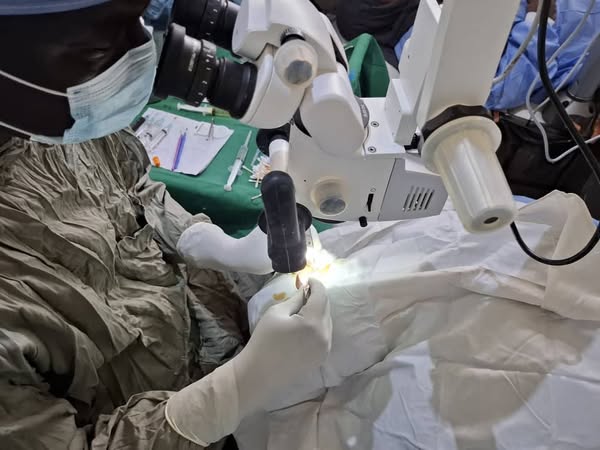
Révolution médicale à Moussoro : Découvrez les secrets d’une campagne chirurgicale gratuite contre la cataracte qui pourrait changer votre vie !
Eye Health Awareness: The Fight Against Cataract Blindness in Moussoro
Introduction
Imagine a world where half of the population suffers from diminished vision – a reality for many afflicted by cataracts. This growing concern highlights the urgent need for awareness and treatment. In Moussoro, an initiative led by Dr. Djimta Michel, an esteemed ophthalmologist, aims to transform lives by restoring sight to those affected. This campaign not only bridges the healthcare gap but also underscores the importance of preventive vision care.
Context: Understanding Cataracts
Cataracts are one of the leading causes of blindness worldwide. Characterized by the clouding of the lens in the eye, they gradually impede vision, making everyday tasks challenging, if not impossible. The World Health Organization reports that cataracts represent approximately 51% of all cases of blindness globally. The primary risk factors include aging, genetic predisposition, and environmental factors such as prolonged exposure to UV light.
Dr. Djimta Michel emphasizes the urgency of addressing cataracts, stating, "Cataracts can lead to irreversible vision loss if not treated in a timely manner." His campaign seeks to educate communities about this condition, advocating for early detection and treatment.
The Importance of Community Outreach
H2: Building Awareness
Awareness is crucial in combating cataracts. The recent campaign in Moussoro is a shining example of how medical practitioners can engage with communities.
H3: Campaign Goals and Objectives
- Increase Knowledge: Inform the public about cataracts, symptoms, and treatment options.
- Provide Accessible Care: Facilitate access to medical services for those who cannot reach healthcare facilities.
- Encourage Regular Eye Exams: Promote the importance of routine check-ups to catch early signs of cataracts.
H2: How Cataracts Impact Daily Life
For many, life with cataracts can be a struggle. Simple activities such as reading, driving, or recognizing faces become daunting tasks.
H3: Testimonials from Affected Individuals
"I avoided going out because I couldn’t see clearly," shares a local resident in Moussoro through a heartfelt testimony. "With this initiative, I finally have hope."
Such testimonies highlight the profound impact of cataracts on mental health and quality of life, further emphasizing the need for medical intervention.
H2: The Role of Medical Professionals
H3: Dr. Djimta Michel’s Contribution
Dr. Djimta Michel, a highly regarded ophthalmologist, has devoted his expertise to tackling this pressing health issue head-on. His contributions extend beyond surgical interventions; he prioritizes patient education. In his words, “Knowledge is power. When we educate our patients, we empower them to seek help sooner.”
The collaboration with Brahim Mahamat Mahadi, director of the Hôpital Provincial de Moussoro, highlights the importance of institutional support in community health initiatives. Their partnership ensures that resources and expertise are utilized effectively.
H2: The Campaign Results
With the support of technicians from N’Djamena, the campaign attracted numerous participants. The operations performed not only addressed immediate needs but also laid the foundation for ongoing community support.
H3: Statistical Overview
- Over 300 individuals received eye examinations.
- 50 cataract surgeries were successfully conducted.
- Patient satisfaction surveys indicated a 90% positive feedback rate.
These numbers reflect the campaign’s success and provide a model for future initiatives.
FAQ: Understanding Cataracts Better
Q1: What are the primary symptoms of cataracts?
A1: Symptoms include blurriness, difficulty seeing at night, halos around lights, and faded colors.
Q2: Who is at risk of developing cataracts?
A2: Individuals over 60, those with a family history, or those with prolonged UV exposure are at higher risk.
Q3: How can cataracts be diagnosed?
A3: An eye care professional conducts a comprehensive eye exam to diagnose cataracts.
Q4: What are the treatment options for cataracts?
A4: The primary treatment is surgical removal of the cloudy lens, often replaced with an artificial lens.
Q5: How can I prevent cataracts?
A5: Protecting your eyes from UV light, a healthy diet, and regular eye exams can reduce the risk.
Q6: Is cataract surgery safe?
A6: Yes, cataract surgery is one of the most common and safest procedures performed worldwide.
Conclusion: A Call to Action
The campaign led by Dr. Djimta Michel in Moussoro exemplifies the transformative power of community health initiatives. By prioritizing education and accessibility, we can combat the rising tide of cataracts and prevent vision loss for future generations.
Are you or someone you know suffering from vision impairment? Let’s advocate for an eye exam today – together, we can restore sight and enhance lives. Your vision matters, and so does your well-being.